
by GC-admin
Share
by GC-admin
Share
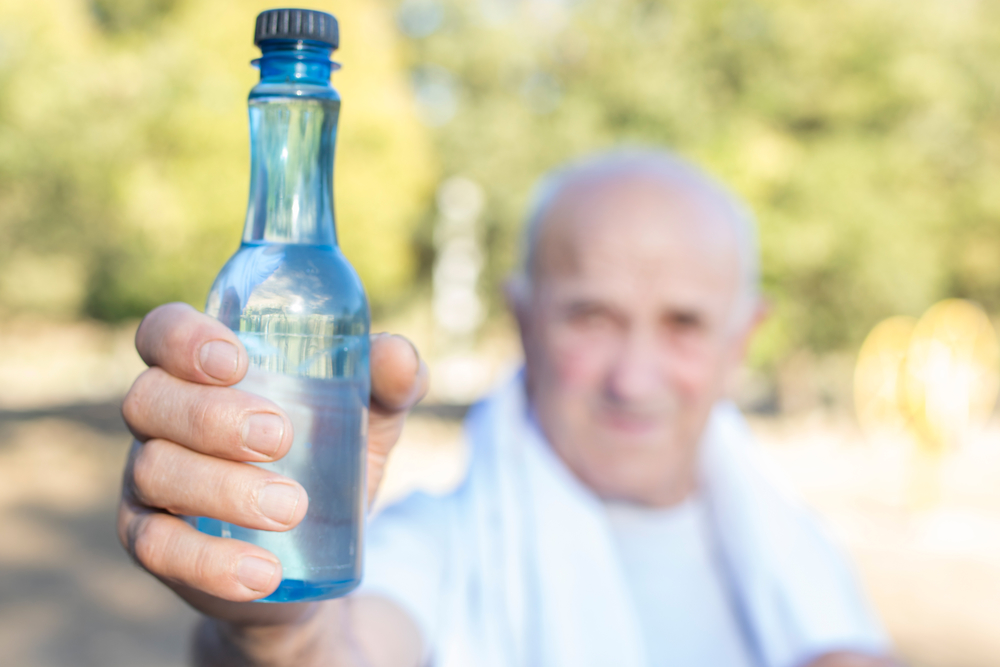
While the summer period presents great opportunities for exercise and activity for many seniors, it also presents risks when it comes to dehydration. Older adults are at a higher risk of heat stroke and dehydration than most other people, whether due to a specific medical condition or just adjustment to temperature changes.
At Cozy Retire, our assisted living facility includes staff who are well-trained on proper hydration for all our residents. Whether you’re a full-time caregiver or someone just visiting a senior loved one for an afternoon in the sun, there are a few important things to remember when it comes to helping an older person stay properly hydrated to avoid any risks. Let’s go over the standard amount of water a given older adult should have in a day, some signs that dehydration might be taking place, and some general tactics for boosting hydration.
General Water/Fluid Needs
Per the Centers for Disease Control and Prevention (CDC), the standard recommendation for water or clear fluid consumption in a single day for adults is between 48 and 64 ounces. But this is only an average – it does not factor in added outdoor activities, nor the potentially higher risk of dehydration for seniors.
Mostly through water, but also using liquids like soup, vegetable juices and milk, seniors should get at least this amount of fluid each day. On the flip side, beverages like coffee or soda should not be considered part of this intake – those that contain caffeine may actually increase dehydration risk due to their qualities as a diuretic.
Signs of Dehydration
If your loved one or any senior in your care is experiencing dehydration, some of the earliest signs may include:
- Confusion or forgetfulness (beyond any normal such symptoms due to aging or memory loss)
- Fatigue
- Headaches
- Dry mouth
- Dizziness
- Unusual weakness in muscles
Tips for Staying Hydrated
Here are several tips for avoiding any of these signs or other dehydration risks:
- Fluids with meals: With each meal, also provide at least one big glass of water or juice.
- Fluid additives: To improve the taste and variety of fluid intake, consider adding lemons, limes, berries or even mint leaves to water.
- Fruits and vegetables: Numerous fruits and vegetables have high water content that can contribute to hydration. Promote items like melons, berries, celery, bell peppers, oranges, spinach, cucumber and romaine lettuce.
- Medication: If seniors require water to take medications daily, suggest that they always drink the full glass of water during this process.
- Exercise: A water bottle or glass should always be present and easily accessible when seniors exercise or take part in any outdoor activity.
- Sun protection: When going out into the sun for any extended period, seniors should apply proper sunscreen, plus consider hats and long sleeves to protect the skin and body from the heat.
For more on preventing dehydration in seniors, or to learn about any of our memory care or senior care services, speak to the staff at Cozy Retire today.
The post Tactics for Limiting Dehydration Risks in Seniors This Summer appeared first on Cozy Retire.
STAY IN THE LOOP
Subscribe to our free newsletter.
Leave A Comment

There are many questions that people tend to have when it comes to a potential move of a senior into an assisted living community, and some of these naturally tend to revolve around costs and how they will be covered. One particularly common such question: Will Medicare pay for assisted living? At Cozy Retire, we’re

There are several common questions that often arise regarding financial areas when you or someone in your family is considering a move to an assisted living facility, and one of the most frequent is this: Is assisted living tax deductible? The answer is often yes, though there are some important nuances to be aware of.

There are a few decisions that can be naturally difficult to make in our lives as we age, and one of these for those who are approaching or have already entered senior age range is a potential move to a retirement community. While this is a step that some people resist for understandable reasons, there

While there’s often a natural and understandable focus on many areas of physical health among seniors and older adults, the realm of mental health is also one that should never be forgotten about in these age ranges. Mental health is just as important as physical health, and the two often go together – and there
