
by GC-admin
Share
by GC-admin
Share
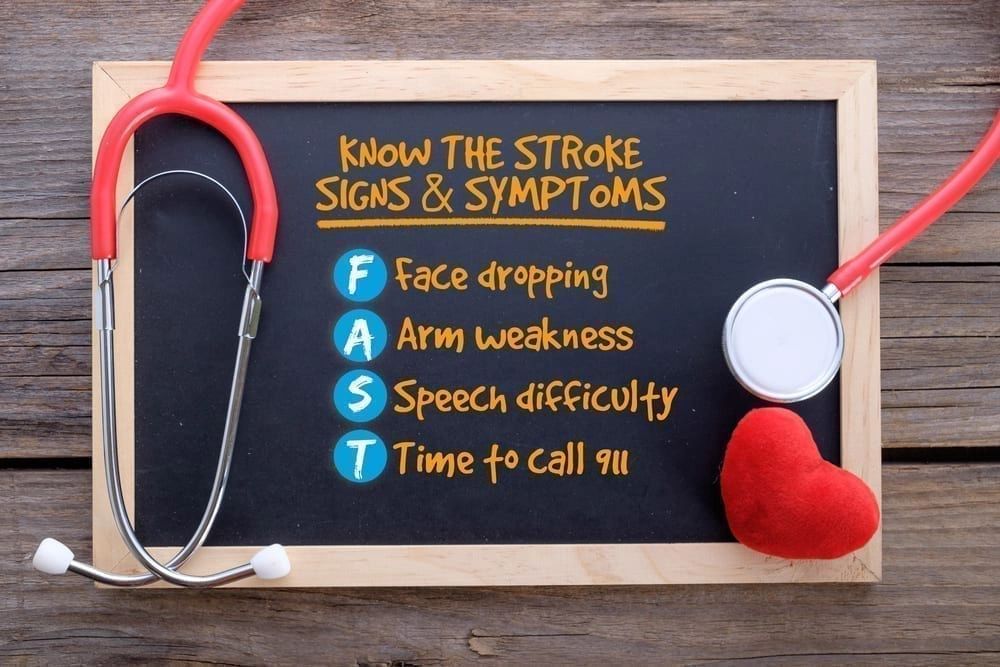
Seniors are unfortunately at a higher risk of certain conditions or illnesses due to their advanced age and cumulative strain on their bodies, and one such risk is a stroke. Involving blood flow to the brain being blocked or heavily reduced, strokes are dangerous events that must be treated immediately, and also very common among seniors.
At Cozy Retire, our assisted living facility staff are all trained to recognize the signs of various potential senior conditions, including strokes and related problems. We’re also happy to assist with many stroke prevention methods, many of which double as strong lifestyle choices for seniors to begin with. Let’s go over everything caregivers and loved ones of seniors need to know about recognizing and preventing strokes.
Types of Stroke
For starters, there are two distinct types of stoke to be aware of:
- Ischemic stroke: The more common type by far, ischemic strokes include an artery somewhere in the body becoming blocked, usually due to a blood clot. An ischemic stroke may also be caused by buildups of plaque or fat deposits in the arteries.
- Hemorrhagic stroke: The less common type of stroke is also much more deadly, causing 30% of all stroke deaths despite only accounting for about 15% of all strokes. It occurs when a blood vessel in the brain ruptures, causing blood to leak within the brain itself.
Stroke Prevention
Certain risk factors for stroke are genetic or uncontrollable. However, many others can be managed by things like a healthy diet, regular exercise and a lack of smoking. Those with stroke risks should also avoid heavy alcohol consumption in most cases, plus should do what they can to keep extra weight, high blood pressure or related conditions away – these can increase stroke risk in many people, especially seniors.
FAST Method
For caregivers or any loved one who spends lots of time around a senior, it’s vital to be able to recognize signs of a stroke and act immediately if one is taking place. The FAST method is used here:
- Face: If one side of the mouth droops or is lopsided, and the individual cannot smile properly, this could be a sign of stroke taking place.
- Arms: In other cases, those experiencing stroke will not be able to properly lift or move both arms.
- Speech: Many who are having a stroke will also experience trouble speaking due to lack of blood in the brain, which cuts off verbal capabilities and causes slurring, repetition or related issues.
- Time: If you notice any of these signs, time is of the essence. You should call 911 immediately – every minute counts during stroke treatment and recovery, and your prompt action can make the difference between a minor stroke and a severe one in many cases.
For more on preventing and recognizing signs of stroke in a senior, or to learn about any of our senior living or related services, speak to the staff at Cozy Retire today.
The post 3 Helpful Details About Strokes in Seniors appeared first on Cozy Retire.
STAY IN THE LOOP
Subscribe to our free newsletter.
Leave A Comment

There are many questions that people tend to have when it comes to a potential move of a senior into an assisted living community, and some of these naturally tend to revolve around costs and how they will be covered. One particularly common such question: Will Medicare pay for assisted living? At Cozy Retire, we’re

There are several common questions that often arise regarding financial areas when you or someone in your family is considering a move to an assisted living facility, and one of the most frequent is this: Is assisted living tax deductible? The answer is often yes, though there are some important nuances to be aware of.
There are a few decisions that can be naturally difficult to make in our lives as we age, and one of these for those who are approaching or have already entered senior age range is a potential move to a retirement community. While this is a step that some people resist for understandable reasons, there

While there’s often a natural and understandable focus on many areas of physical health among seniors and older adults, the realm of mental health is also one that should never be forgotten about in these age ranges. Mental health is just as important as physical health, and the two often go together – and there
